Job hunting in Queensland, Australia, can be a challenging process, especially in a competitive job market. Having a well-structured career plan is essential to navigate the job search efficiently and effectively. This guide will help you create a robust career plan tailored to job hunting in Queensland, leveraging services such as resume writing, CV writing, cover letter writing, selection criteria, and LinkedIn profile writing provided by David Strayer.
1. Self-Assessment
The first step in creating a career plan is self-assessment. Understanding your strengths, weaknesses, interests, and values will help you identify suitable job opportunities. Reflect on your skills and experiences to determine the type of roles that align with your career goals.
Key Questions for Self-Assessment:
- What are my key strengths and skills?
- What are my career interests and passions?
- What are my long-term career goals?
- What type of work environment do I thrive in?
2. Research the Job Market
Understanding the job market in Queensland is crucial. Research industries and companies that are growing and have a demand for your skills. Use online job boards, company websites, and professional networks like LinkedIn to gather information about job opportunities.
Tips for Job Market Research:
- Identify key industries in Queensland (e.g., healthcare, education, tourism, mining).
- Follow industry trends and news.
- Network with professionals in your field.
- Attend job fairs and industry events.
3. Tailor Your Resume and CV
Your resume and CV are critical tools in your job search. They should be tailored to highlight your relevant skills and experiences. A well-crafted resume can make a significant difference in getting noticed by potential employers.
Resume Writing Service QLD:
- Resume Customization: Tailor your resume to the specific job you are applying for. Highlight your most relevant skills and experiences.
- Professional Formatting: Use a clean, professional format that is easy to read.
- Keywords Optimization: Incorporate keywords from the job description to pass through Applicant Tracking Systems (ATS).
CV Writing Service QLD:
- Detailed Experience: Provide a comprehensive overview of your career, including academic achievements, publications, and professional experiences.
- Focus on Achievements: Highlight your accomplishments and contributions in previous roles.
- Professional Presentation: Ensure your CV is well-organized and professionally presented.
4. Write a Compelling Cover Letter
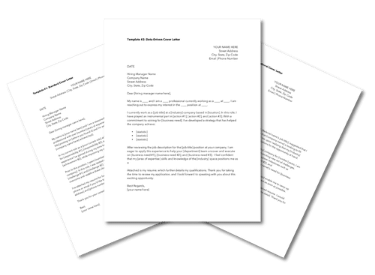
A cover letter is your opportunity to make a personal connection with the employer and explain why you are the ideal candidate for the position. It should complement your resume and provide additional context to your application.
Cover Letter Writing Service QLD:
- Personalization: Address the cover letter to the hiring manager by name, if possible.
- Clear and Concise: Keep the cover letter focused and to the point, highlighting your most relevant experiences and skills.
- Show Enthusiasm: Convey your enthusiasm for the role and the company.
5. Address Selection Criteria
Many job applications in Australia, particularly in the public sector, require addressing specific selection criteria. This involves providing detailed responses to demonstrate how your skills and experiences meet the criteria.
Selection Criteria Writing Service QLD:
- Structured Responses: Use the STAR (Situation, Task, Action, Result) method to structure your responses.
- Relevant Examples: Provide specific examples from your past experiences that align with the selection criteria.
- Clear and Detailed: Ensure your responses are clear, detailed, and directly address each criterion.
6. Optimize YourLinkedIn Profile
LinkedIn is a powerful tool for job hunting and professional networking. An optimized LinkedIn profile can help you connect with potential employers and industry professionals.
LinkedIn Profile Writing Service QLD:
- Professional Headline: Create a compelling headline that reflects your career goals and key skills.
- Complete Profile: Ensure your profile is complete with a professional photo, detailed work experience, and education.
- Skills and Endorsements: List relevant skills and seek endorsements from colleagues and supervisors.
- Networking: Connect with industry professionals